

In complex polymetallic sulfide ore flotation, selectivity is everything. The challenge? Preventing sphalerite (ZnS) from floating into your lead or copper concentrate.
Zinc Sulphate Heptahydrate (ZnSO₄·7H₂O) is one of the most effective depressants for sphalerite. But how it works—and how to apply it—matters more than you might think.
How It Works
ZnSO₄ dissociates in water:
ZnSO₄ → Zn²⁺ + SO₄²⁻
In alkaline conditions (high pH), Zn²⁺ hydrolyzes to form Zn(OH)₂, HZnO₂⁻, and ZnO₂²⁻. These hydrophilic species adsorb onto the sphalerite surface, forming a water-loving film that prevents collector attachment.
Key insight: Depression efficiency increases with pH. That’s why ZnSO₄ is often used with lime (CaO) to maintain alkaline conditions.
Why Combination Matters
ZnSO₄ is rarely used alone. In practice, it works best when combined with:
- Cyanide + ZnSO₄ (ratio typically 1:2 to 1:5) for stronger depression
- Sodium sulfide or sodium carbonate depending on ore mineralogy
The depression order in polymetallic separation:
Sphalerite > Pyrite > Chalcopyrite > Marcasite > Bornite > Tetrahedrite > Chalcocite
This means dosage control is critical. Too much, and you risk depressing valuable copper minerals.
Application Tips
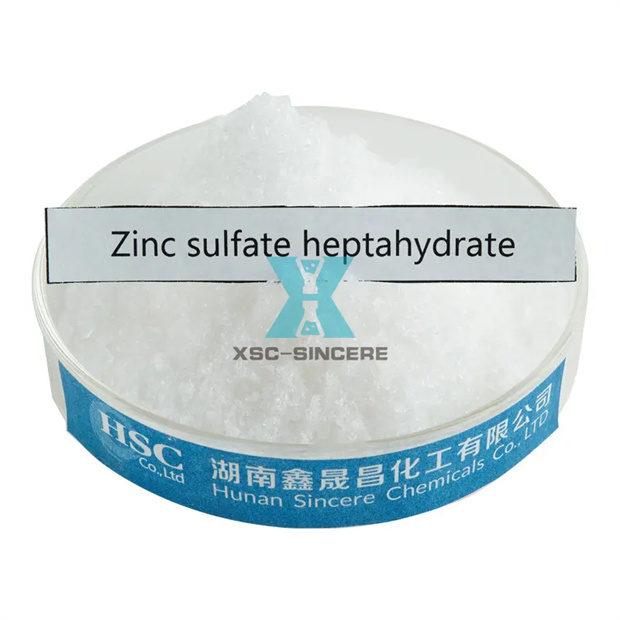
- Form: Typically supplied as ZnSO₄·7H₂O (white crystalline powder), highly soluble
- Solution: Often prepared as 5% aqueous solution for dosing
- Condition: Effective only in alkaline circuits—pH monitoring is essential
Post time: Mar-23-2026


